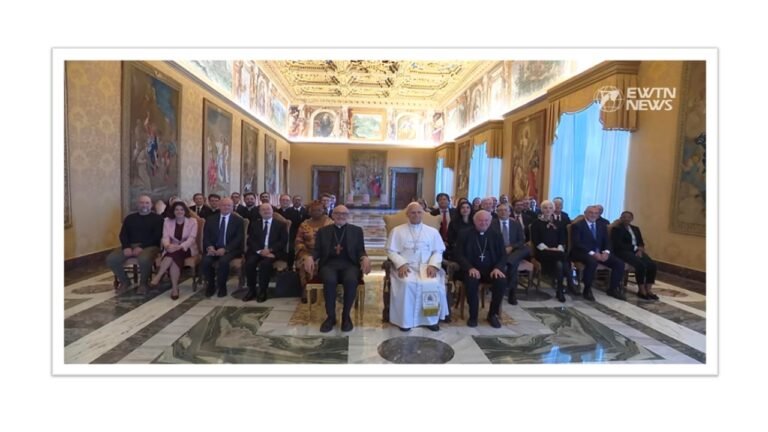



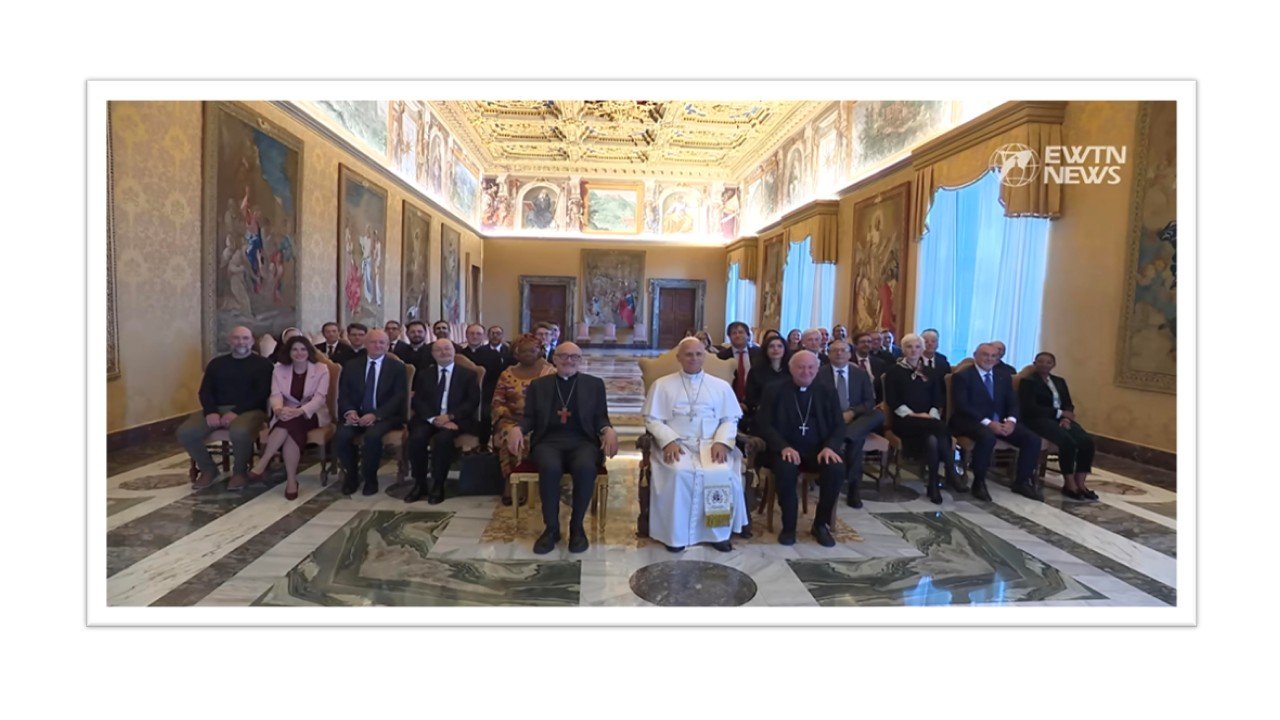
In his address to the Pontifical Academy for Life, Pope Leo highlights the ethical responsibilities that must guide the development and use of artificial intelligence.
Five Guiding Principles
- AI as a tool — Machines are tools, not persons; they lack human experience.
- Human oversight — Decisions affecting human life, freedom, and the use of force must remain under responsible human control and must never be fully delegated to AI.
- Disarmament — The Pope advocates an international ban on lethal autonomous weapons and urges state leaders to take concrete action in Geneva.
- The common good — Technology should serve the common good, with benefits accessible to everyone rather than reserved for a privileged few.
- Effective international institutions — Institutions are needed to put these ethical principles into practice and safeguard them.
A Vision of Peace and Harmony
The hope is that AI will become a supportive companion to humanity, helping people pursue good initiatives in keeping with God’s original plan: peace and harmonious coexistence among all living creatures. The image of Adam and Eve in Eden offers a model for this vision of life in harmony with creation.
Related Link:
Pope Leo XIV to Pontifical Academy for Life: “AI must be disarmed” | EWTN News