

A Call for Peace Through Dialogue
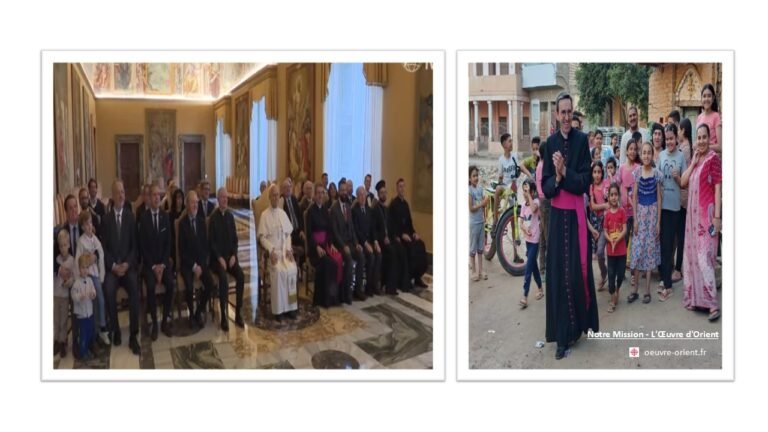
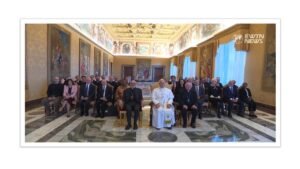
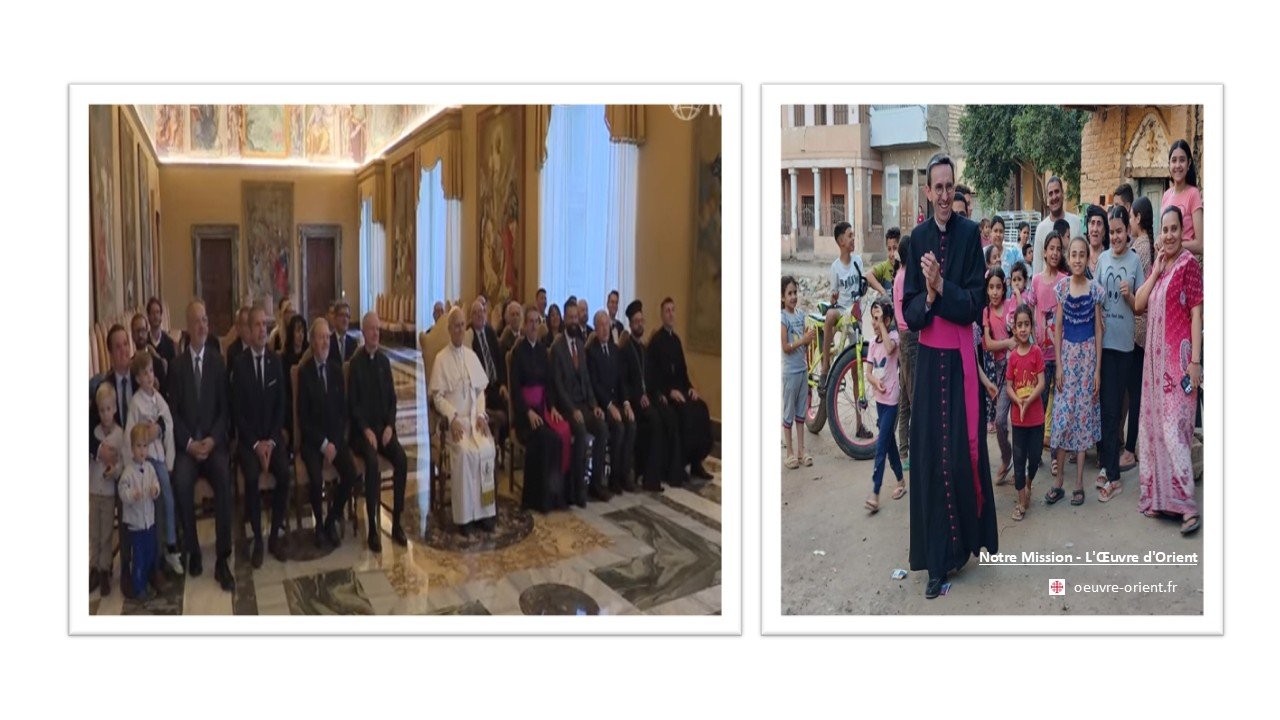
During a meeting at the Vatican with a delegation from L’Œuvre d’Orient and the Institut Chrétiens d’Orient, Pope Leo XIV called for a humble, persistent effort to build an “unarmed and disarming peace,” particularly in the Middle East and Eastern Europe. His message emphasized dialogue as a path toward understanding contemporary conflicts and fostering genuine human connection.
The Holy Father highlighted three interconnected priorities:
- Bridging disciplines: Bringing together different academic fields to deepen understanding of contemporary conflicts.
- Connecting faith and reason: Fostering dialogue between faith, culture, and history as an essential path toward justice and reconciliation.
- Building peace: Cultivating a global culture of peace through humility, persistence, and genuine human connection.
What “Unarmed and Disarming Peace” Means
For Pope Leo XIV, “unarmed and disarming peace” is a foundational theme of his papacy and central to his message for the 59th World Day of Peace. It calls for a shift away from security models based on fear, nuclear threats, or military superiority.
The phrase has two complementary meanings:
- Unarmed peace: Peace that does not depend on weapons, intimidation, or violence. It follows the example of the risen Jesus, who pursued his mission through an “unarmed struggle” amid the complexities of history and society.
- Disarming peace: Peace with the power to transform hearts and societies. Rather than merely avoiding conflict, it seeks to overcome the logic of violence through dialogue, justice, and reconciliation.
The Pope presents this vision as a daily responsibility for Christians: to build a culture of peace rooted in humility, persistence, and genuine human connection.
The Role of Dialogue
Pope Leo XIV emphasizes that dialogue does more than bring people together: it deepens understanding and helps clarify the language used to address contemporary challenges. In particular, he highlights dialogue between philosophy and other disciplines to rediscover the meaning of words and concepts—one of the major challenges of our time.
By connecting academic inquiry with faith, culture, and history, dialogue provides a foundation for justice, reconciliation, and peacebuilding.
The Organizations Behind the Visit
L’Œuvre d’Orient supports Eastern Christian communities through education, healthcare, and social action. With more than 160 years of experience, it works across 23 countries, including regions in the Middle East, the Horn of Africa, and Eastern Europe.
The Institut Chrétiens d’Orient is a center for research and training focused on the heritage and context of these communities.
The meeting concluded with a collective prayer, including the Lord’s Prayer, followed by the Pope’s blessing.
Related Link:
Pope Leo XIV Calls for “Unarmed and Disarming Peace” for Eastern Christians | EWTN News