


The urgency of water security
Recent student protests over broken toilets in France, alongside the approaching UN World Water meeting in Abu Dhabi – the United Arab Emirates, highlight the need to reflect on water and sanitation challenges.
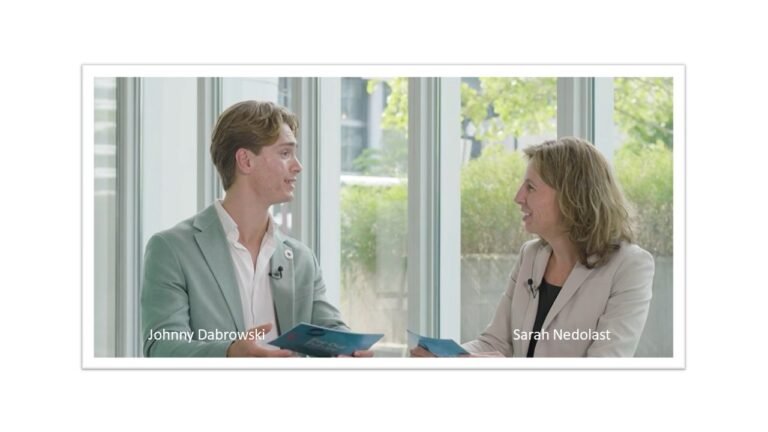
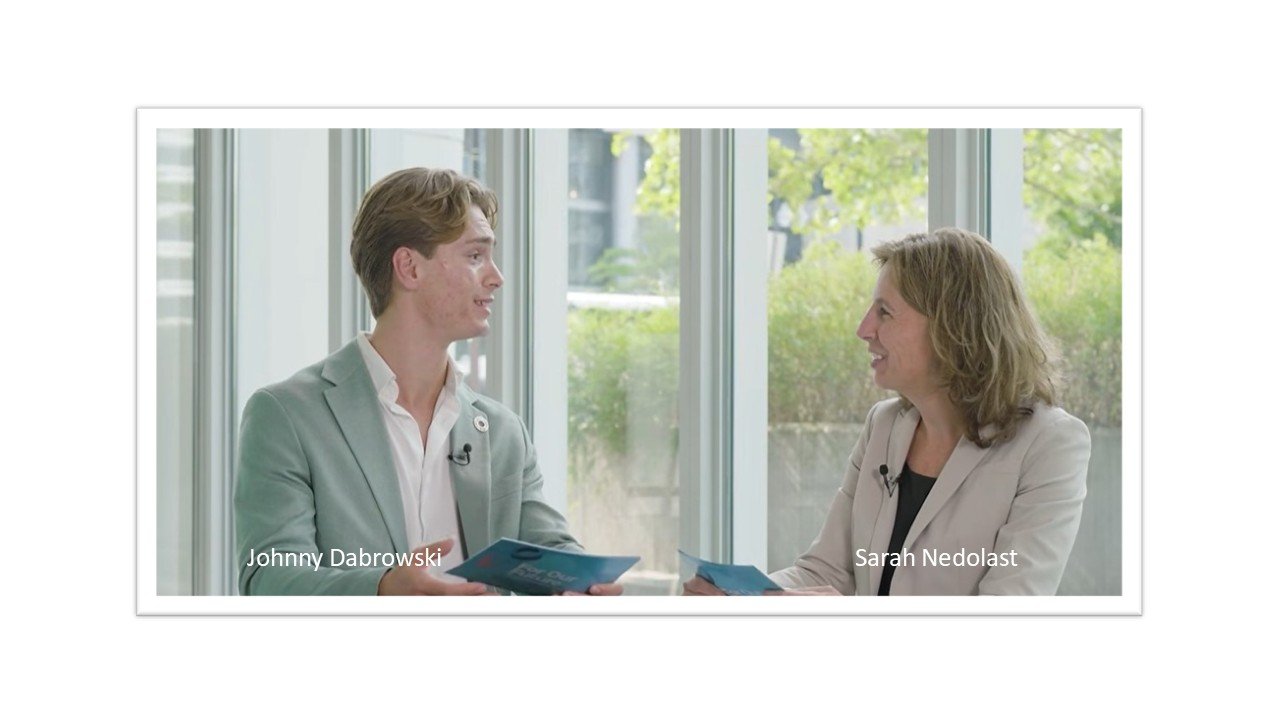
In their discussion, Sarah Nedolast, Manager of the Global Water Security and Sanitation Partnership (GWSP) at the World Bank Group, and Johnny Dabrowski of Earth Day Network explore the global water crisis, the World Bank’s Water Forward initiative, and how to prepare a generation to address today’s water challenges.
The protests illustrate how inadequate sanitation can disrupt daily life. More broadly, despite technological advances, half the global population—about 4 billion people—lacks water security.
Water Forward: Three pillars for progress
According to Nedolast, Water Forward aims to advance global water security by reaching 1 billion people by 2030. Its strategy rests on three pillars:
- Water for people: Expand access to clean, reliable water services.
- Water for food: Support agriculture and food production through water security.
- Water for the planet: Protect natural water resources and ecosystems.
Turning priorities into investment
The initiative works with national governments to develop “water compacts” that set clear priorities, establish investment plans, and commit countries to policy reforms. These compacts underpin a collaborative approach to closing financing gaps:
- Set national commitments: Define water-sector priorities, investment needs, and planned reforms through water compacts.
- Mobilize public and private resources: Strengthen policies and institutions to attract private investment, recognizing that public funding alone cannot meet infrastructure needs.
- Use financing more effectively: Help countries improve creditworthiness and combine public and private resources to expand the capital available for water projects.
Water and the future of work
Representing young people, Dabrowski asks how the World Bank’s strategy translates into real employment opportunities. Nedolast describes the water sector as a creator, enabler, and protector of jobs:
- Creator: Water infrastructure requires professionals to manage, operate, and maintain it.
- Enabler: Reliable water services support health and education—the foundations of a productive workforce.
- Protector: Water management helps safeguard employment across industries against climate risks such as droughts and floods.
Technological innovation is also creating opportunities. As utilities adopt digital solutions and remote sensing, demand is growing for skills in data analysis and other technologies that can address infrastructure challenges and accelerate progress.
Preparing for a career in water
Nedolast recommends that young people develop expertise in three areas:
- A strong technical foundation: Build skills in hydrology, environmental engineering, data analysis, and Geographic Information Systems (GIS).
- A cross-sectoral perspective: Understand how water connects agriculture, health, and energy, and learn to work across these fields.
- Financial literacy: Learn how water projects are financed, including public-private partnerships, concessional finance, and other models that help bridge funding gaps.
How young people can act
Young people can contribute to water security by using digital tools to raise awareness, supporting local youth-led projects, and pursuing technical careers in agriculture and water management. The following steps can help turn that interest into practical action.
1. Connect with global and regional networks
Explore organizations that support youth-led environmental and water initiatives through resources, mentorship, and connections to local chapters:
- Youth for Water and Climate: Connect with young leaders and explore funding or project opportunities.
- World Youth Parliament for Water: Get involved in community-led action on water and sanitation.
- UNESCO Groundwater Youth Network: Connect with others interested in water governance and sustainability.
2. Find opportunities in your community
- Volunteer locally: Look for environmental non-profits, farms, or community gardens working on issues such as runoff and irrigation.
- Build local connections: Talk with people at school or in your neighbourhood about environmental concerns and identify groups working toward shared goals.
3. Start your own initiative
If you cannot find a project that matches your interests, consider creating one:
- Identify a local problem: Look for issues such as pollution in a nearby stream or inadequate school sanitation.
- Use digital tools: Share information, raise awareness, and invite others to participate.
- Seek support: Explore grants and training from foundations and organizations that help young people develop climate and water solutions.
Related link:
A New Era of Water Solutions |Connect4Climate and World Bank Group