


The Pontifical Academy for life was established by late Pope John II in 1994. Currently, its work is more relevant than when it began. Pope Leo XIV uses the expertise as his think tank to face 21st century challenges of AI, technology including defending human dignity, justice and work.
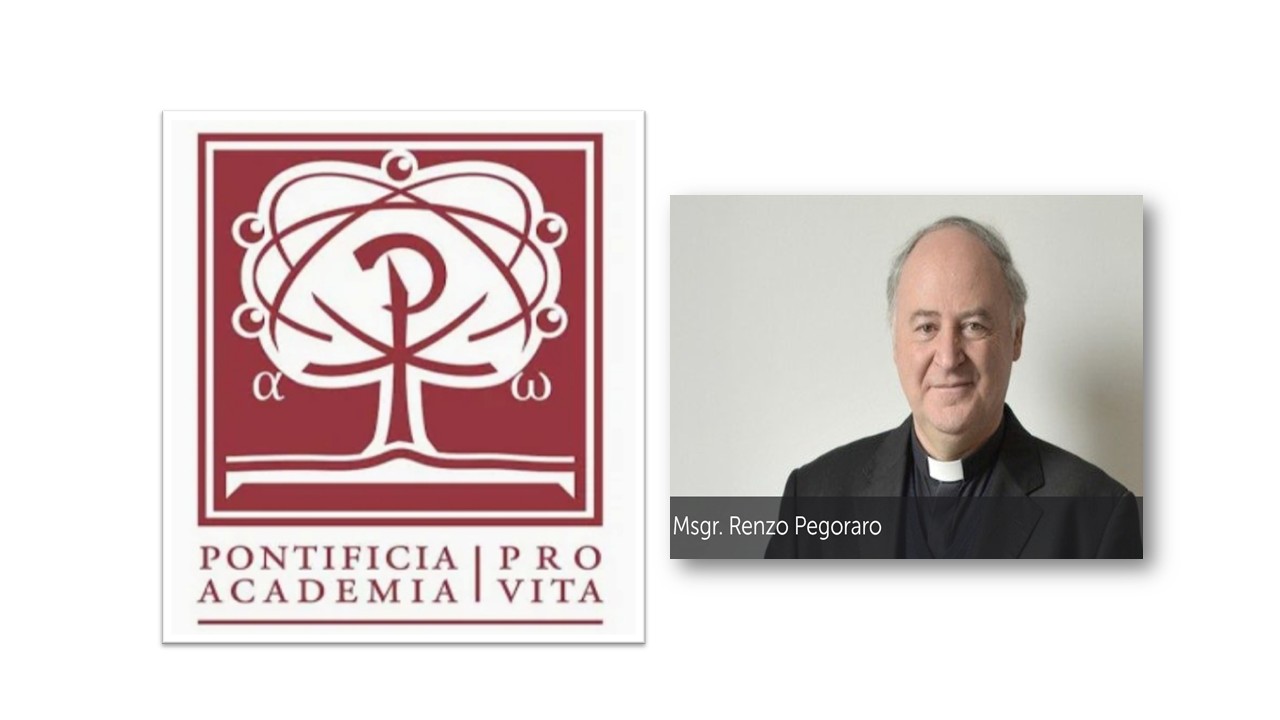
The establishment of Pontifical Academy for Life is according to the academy legal statue. It was Vatican’s bioethics think tank. It is center of studies and research, about new challenges and/or problems concerning human life. Currently is presided by Msgr. Renzo Pegoraro.
The Pontifical Academy for life is a place where important dialog, interdisciplinary dialog amongst biologists, doctors, philosophers, theologians, lawyers and all people take place to analyze new questions and/or problems that sometimes arrives at a very urgent and complicated issue; ranging from medicine development to biology science that requires defining a concerned ethical responsibilities to protect and promote human life according to human being dignity’ respect from the beginning to his end of life. Since day one, the academy has been working for projects concerning neuro-ethics, neuroscience, neuro-technology including neo-natal care, as well setting-up a working group about ethics and disability in Rome.
According to statute, at the beginning to join the academy needs a special declaration that someone is pro-life. An amendment has been made in 2016 that the Pontifical Academy for life is now open publicly. Currently, there are multi religions involvements working together such as from Jewish, Islam and Greek Orthodox.
Related link:
The Pontifical Academy for Life and Why Its Work Has Never Been More Relevant | EWTN Pro-Life Weekly